Rules of Weiqi
Everything you need to know to play correctly
New to Weiqi? Read the quick beginner explanation here1. Weiqi equipment
1.1 The board
There are 3 common board sizes used in Weiqi: 9×9, 13×13, 19×19. The standard board is 19×19. It has 19 horizontal lines and 19 vertical lines, forming 361 intersections where stones can be placed.
On the 19×19 board, there are nine marked points called star points. The star point in the centre is called the center star. Smaller boards contain fewer star points.
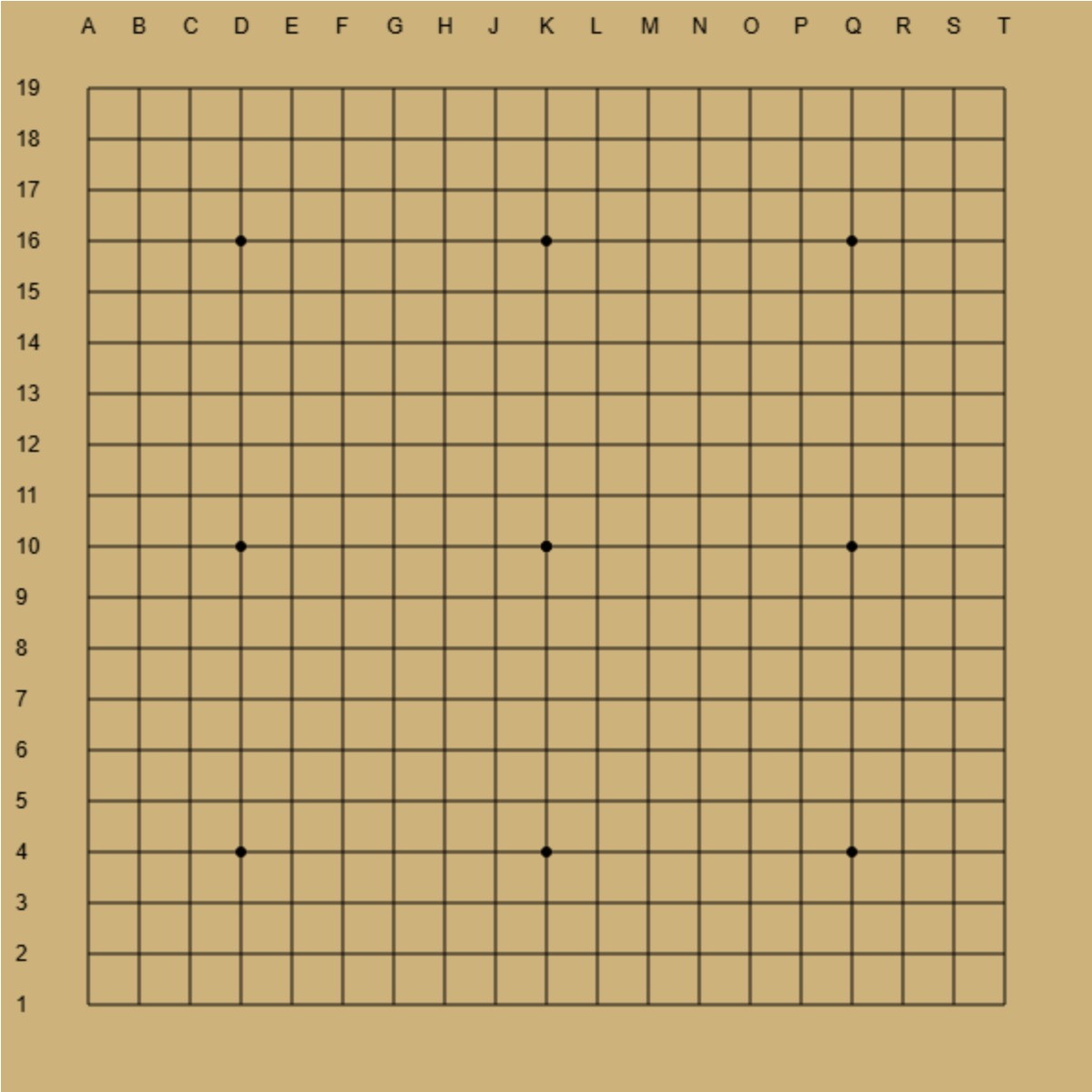
Figure 1: A standard 19×19 board.
1.2 Stones
The game is played with black and white stones. For casual play, at least 160 stones of each colour are recommended.
2. General manner of play
2.1 Turn Order
Weiqi is played by two players. One player uses black stones and is called Black, while the other uses white stones and is called White. Players take turns placing one stone on an empty intersection of the board.
Black plays first, followed by White. The players then continue alternating turns throughout the game.
Once a stone is placed on the board, it may not be moved. A player may choose to pass their turn instead of placing a stone.
3. Liberties
In Weiqi, every stone on the board has adjacent empty intersections called liberties. Liberties are only counted along horizontal and vertical lines, not diagonally.
Stones that are connected directly along horizontal or vertical lines form a group. All stones in a group share their liberties.
A stone can be placed on any empty intersection, but it must have at least one liberty to remain on the board.
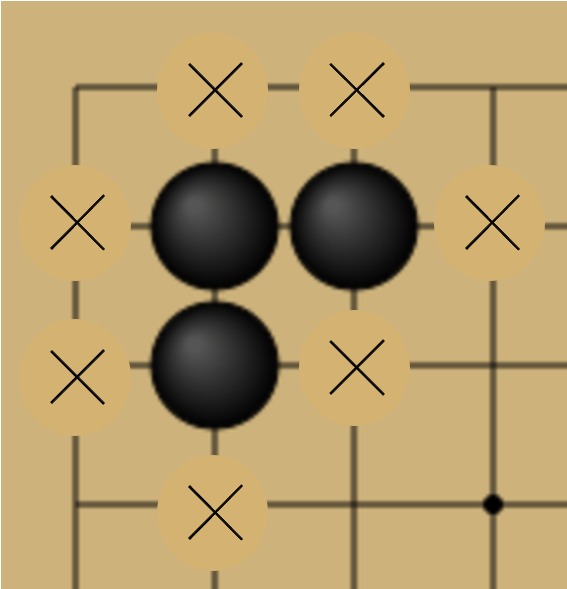
Figure 2: Liberties of Black stones indicated by marked points around them.
4. Capture
A stone or group is captured when all the liberties are occupied by the opponent's stones. When this occurs, the captured stone or group is removed from the board.
A player may not place a stone on an intersection such that it will have no liberties after the move, unless it captures one or more opposing stones. In such a case, the captured stones are removed first, and the played stone remains on the board.
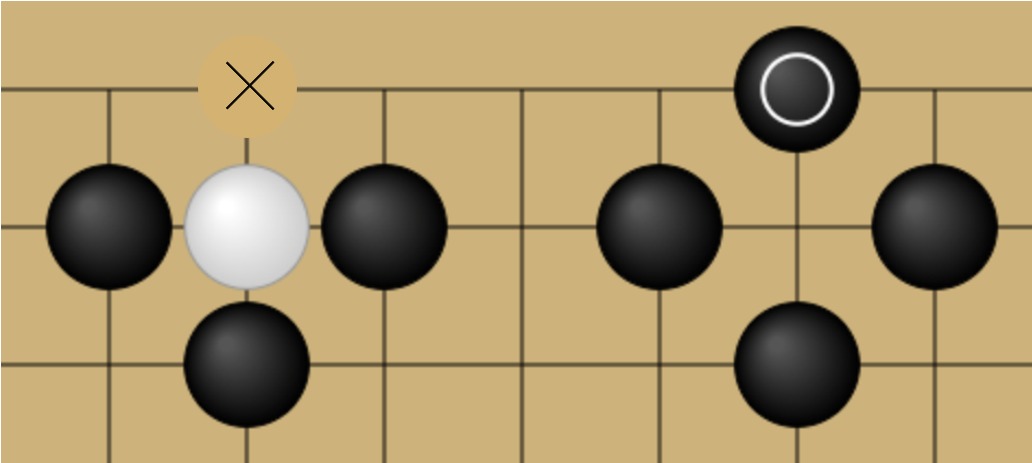
Figure 3: Blacks fills White's last liberty (marked with an '⨯') and captures it.
5. Suicide rule
A player may not place a stone on an intersection where it would have no liberties immediately after the move.
However, a move that would result in no liberties is allowed if it captures one or more opposing stones. (see capture)
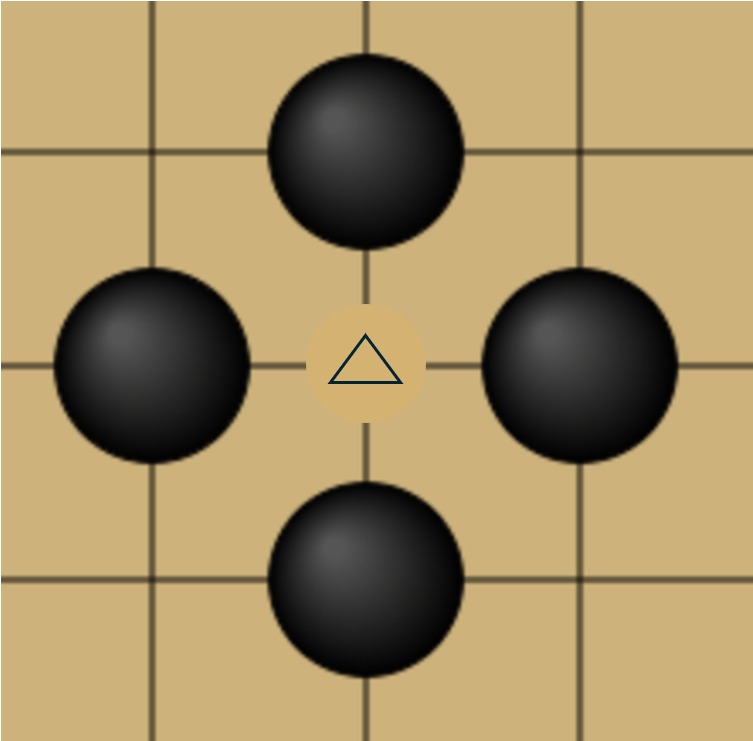
Figure 4: White cannot play on the triangle intersection marked due to suicide rule.
6. Ko rule
A player may not make a move that recreates the exact board position from the previous turn.
After a Ko capture, the opponent must first play a move elsewhere on the board before attempting to recapture.
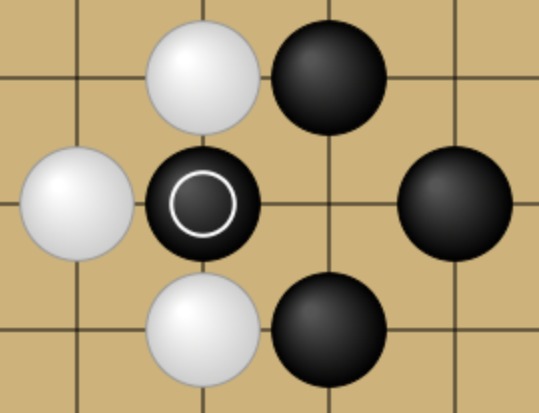
Figure 5: A Ko position. Immediate recapture is not permitted.
7. Life and death
A group of stones is considered dead if it cannot avoid being captured.
A group of stones is considered alive if it has two separate internal empty points known as eyes. A group of two or more eyes cannot be captured, as the opponent would never be able to fill both eyes simultaneously since doing so would violate the Suicide rule.
A group with only one eye, or no eyes, is considered dead.
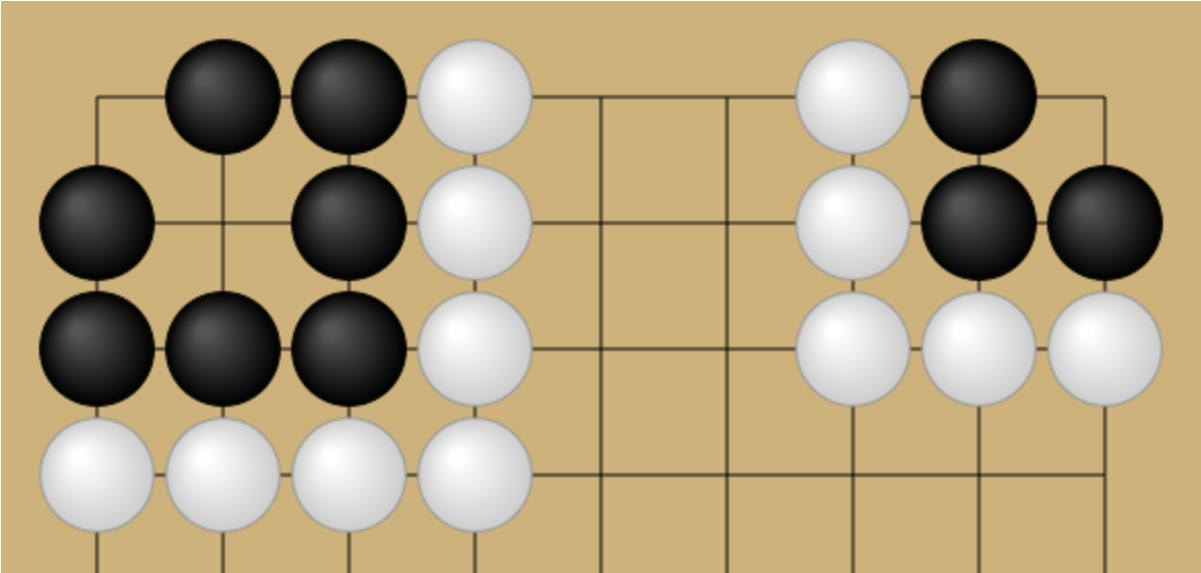
Figure 6: A surviving Black group with two eyes (left) versus a dead Black group with one eye (right).
8. Illegal moves
A move is considered illegal if it violates any of the rules of play.
Common examples include:
- Placing a stone on an intersection that is already occupied.
- Placing a stone so that it would have no liberties, unless it captures opposing stones (see Capture and Suicide rule).
- Making a move that recreates a previous board position in violation of the Ko rule.
9. End of game procedure
The game ends when both players choose to pass consecutively.
Once the game has ended, all dead stones are removed from the board. The winner is determined by counting points (Chinese rules):
- Count all of one player's living stones remaining on the board.
- Add the number of empty intersections which are completely surrounded by the living stones (territory).
- If a komi is being used, add it to White's total.
-
The player whose total exceeds
half the total intersections on the
board
wins.
On a standard 19×19 board (361 intersections), a total greater than 180.5 wins; on a 13×13 board (169 intersections), a total greater than 84.5 wins; and on a 9×9 board (81 intersections), a total greater than 40.5 wins.
A player may also choose to resign at any time.
10. Komi
Because Black moves first and therefore holds a significant advantage, White is compensated with a bonus score called komi. Komi is typically set at 7.5 points. This value is added to White's final total before determining the winner.
The half point (0.5) ensures that there can be no tie.